

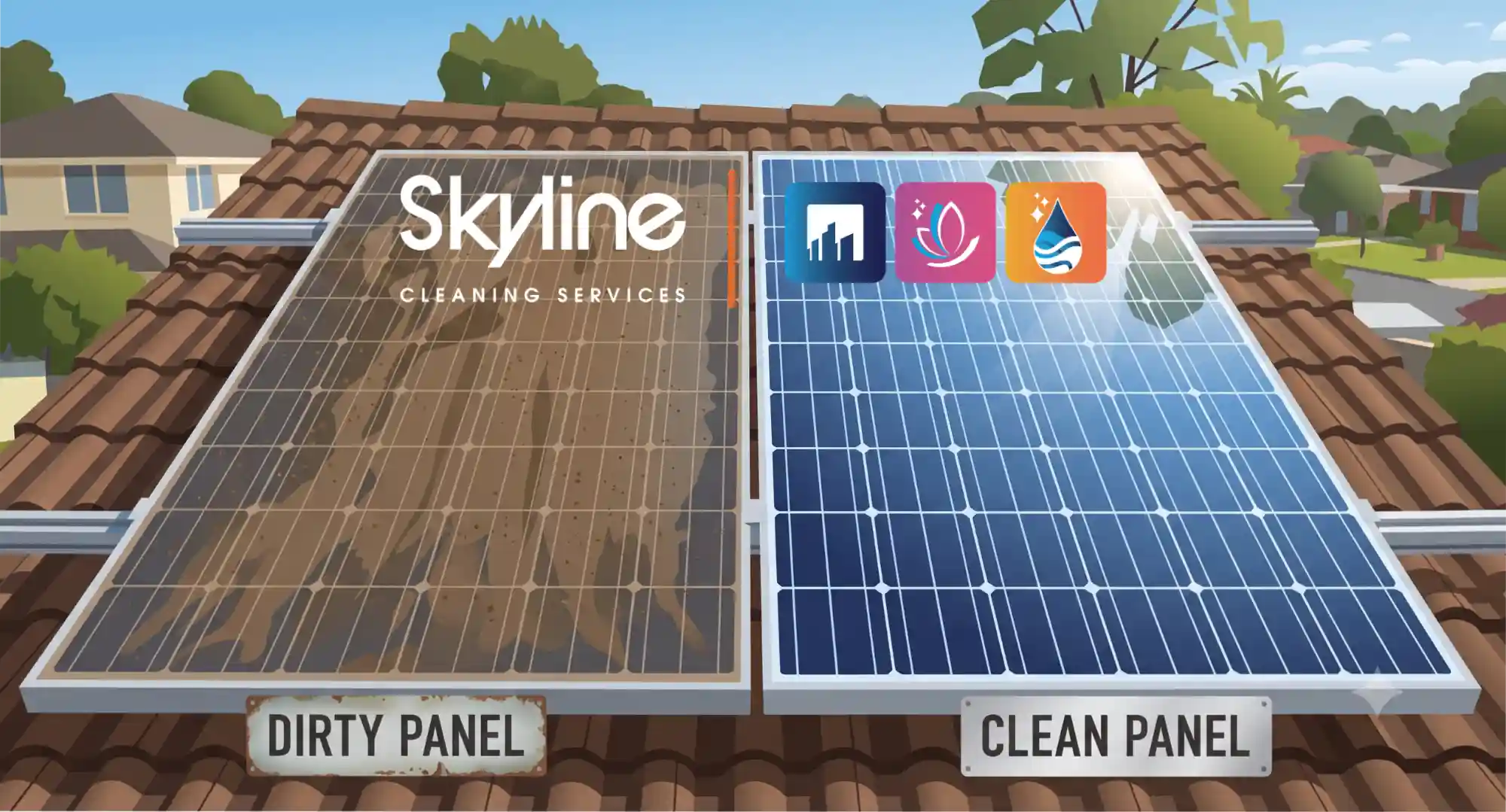
A layer of dust you can barely see can quietly cost you hundreds of dollars a year in lost energy production.
Most solar owners don’t notice until they compare their output to a sunny forecast that just doesn’t add up.
Professional solar panel cleaning closes that gap. It’s a fast, low-risk service that restores lost output, protects your equipment warranty, and keeps your system doing the job it was designed for.
Madison’s rooftops and commercial lots are filling up with solar, fast. Homeowners and facility managers alike are discovering the same blind spot: panels look fine from the ground, but pollen, road film, and bird droppings build up in ways that quietly throttle performance long before it’s visible to the naked eye.
This guide breaks down how professional cleaning actually works, when it’s worth scheduling, and what makes pure-water systems the industry standard over pressure washing or DIY scrubbing.
In This Guide
📍 Jump To: How We Evaluate Your System
📍 Jump To: Prepping the Site for a Safe Clean
📍 Jump To: The Pure Water Process, Step by Step
🔗 Explore Our Services: Commercial Solar Panel Cleaning
1. How We Evaluate Your System
No two roofs are the same, so no two jobs get the same plan. Before anyone touches a panel, our team walks the property to map out pitch, height, access points, and how the array is laid out.
That assessment points us toward one of two approaches:
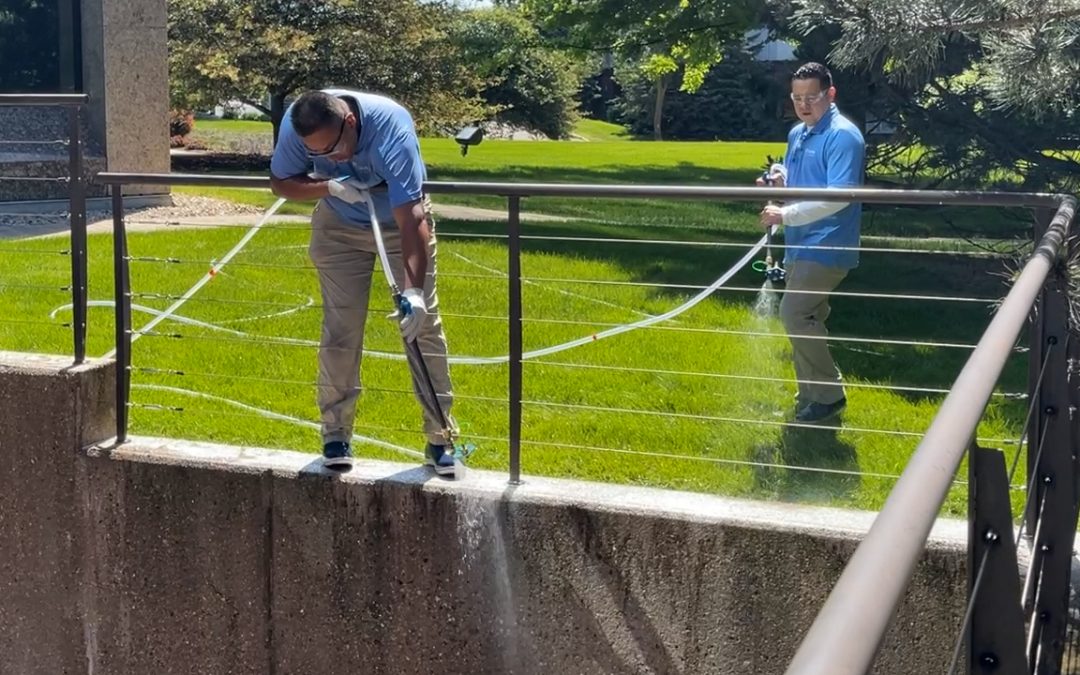
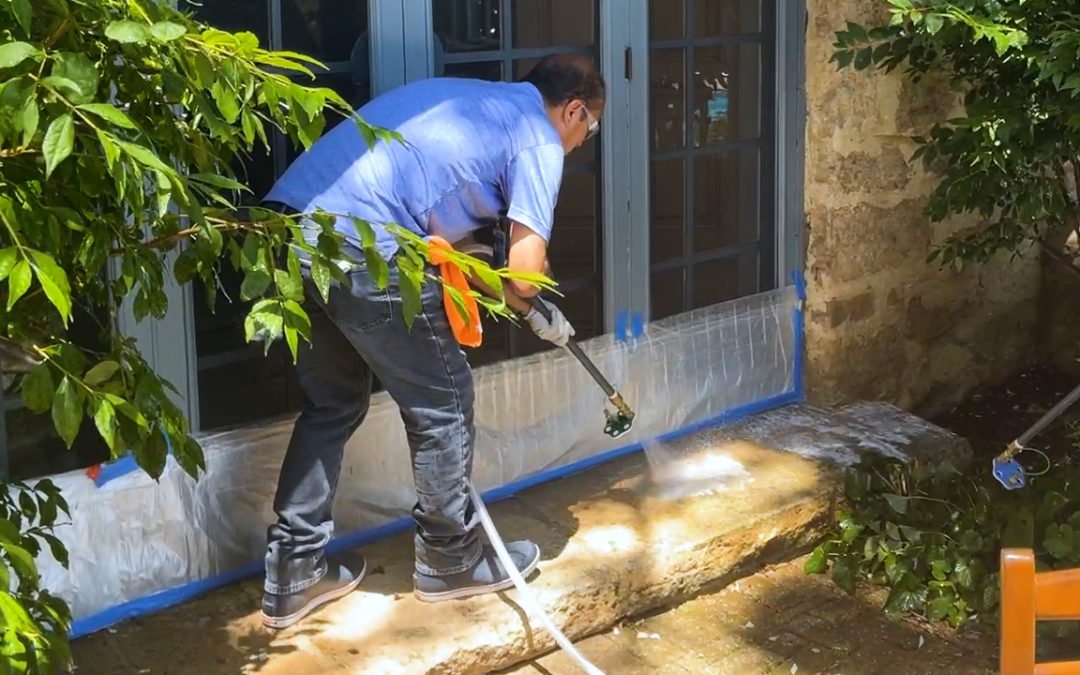
Ground-based water-fed poles — soft-bristle poles paired with ladder or ground rigs, best for smaller residential arrays and lower rooflines.
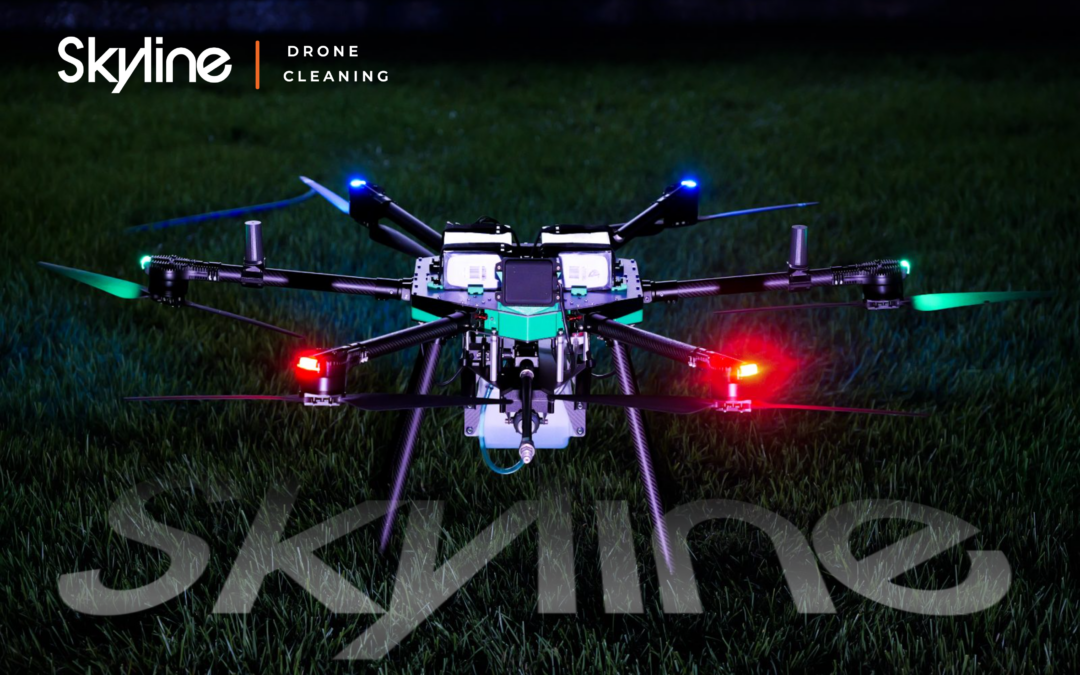
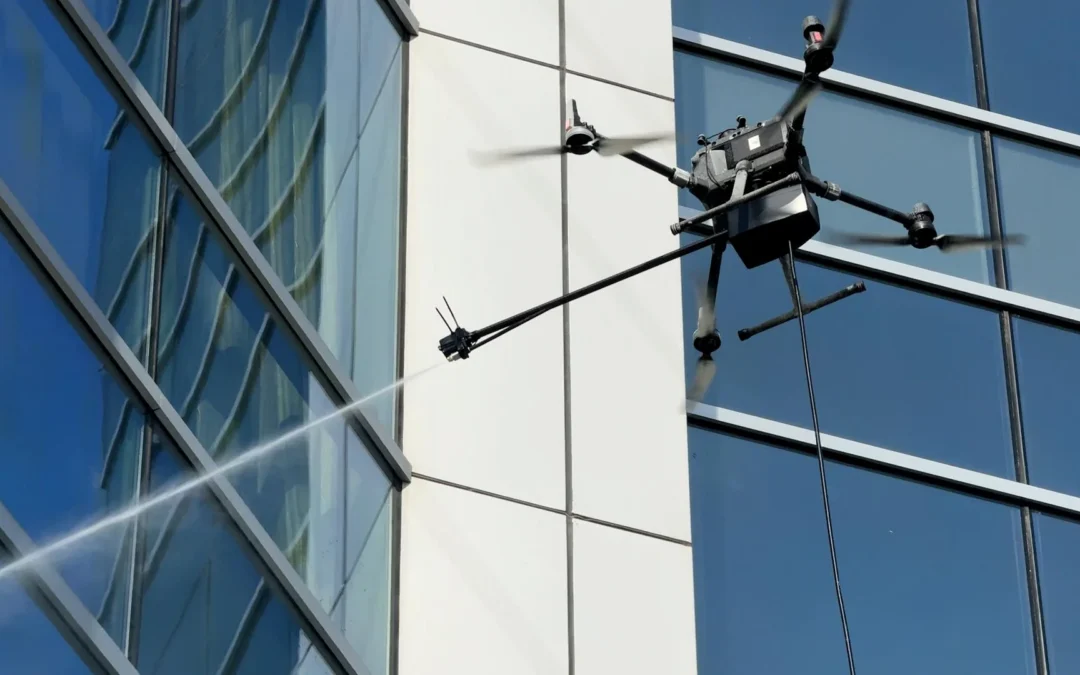
Aerial systems — built for sprawling commercial installations where ground access alone can’t cover the square footage efficiently.
How do you know it’s time? Check your utility bill against the weather. If production has drifted downward over a few sunny months, that’s rarely a hardware problem, it’s almost always a dirt problem, and it’s usually an easy fix.

2. Prepping the Site for a Safe Clean
People assume solar cleaning means hours of ladder work. In practice, a trained crew can set up and start cleaning faster than most DIY attempts even get off the ground.
Perimeter safety first. We ensure the work zone is safe by notifying businesses as-well as individuals. In high traffic areas barriers will be used before any cleaning even begins.
Timing around the sun. Solar glass can get dangerously hot midday. Skyline crews schedule the work for cooler parts of the day to avoid thermal shock, which can otherwise crack panels.
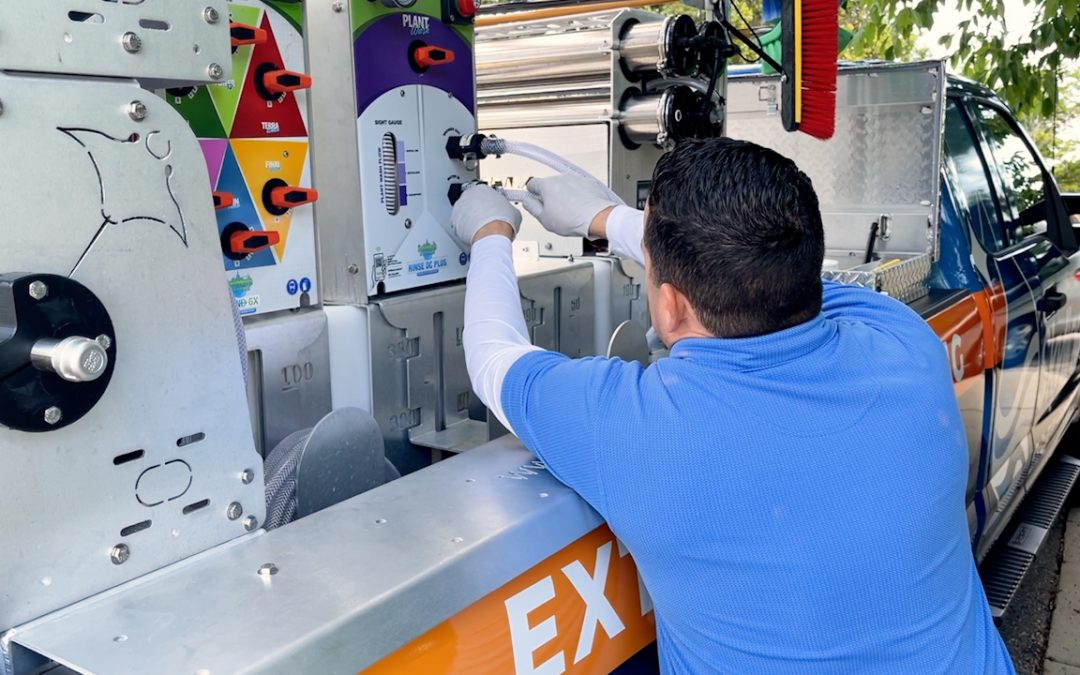
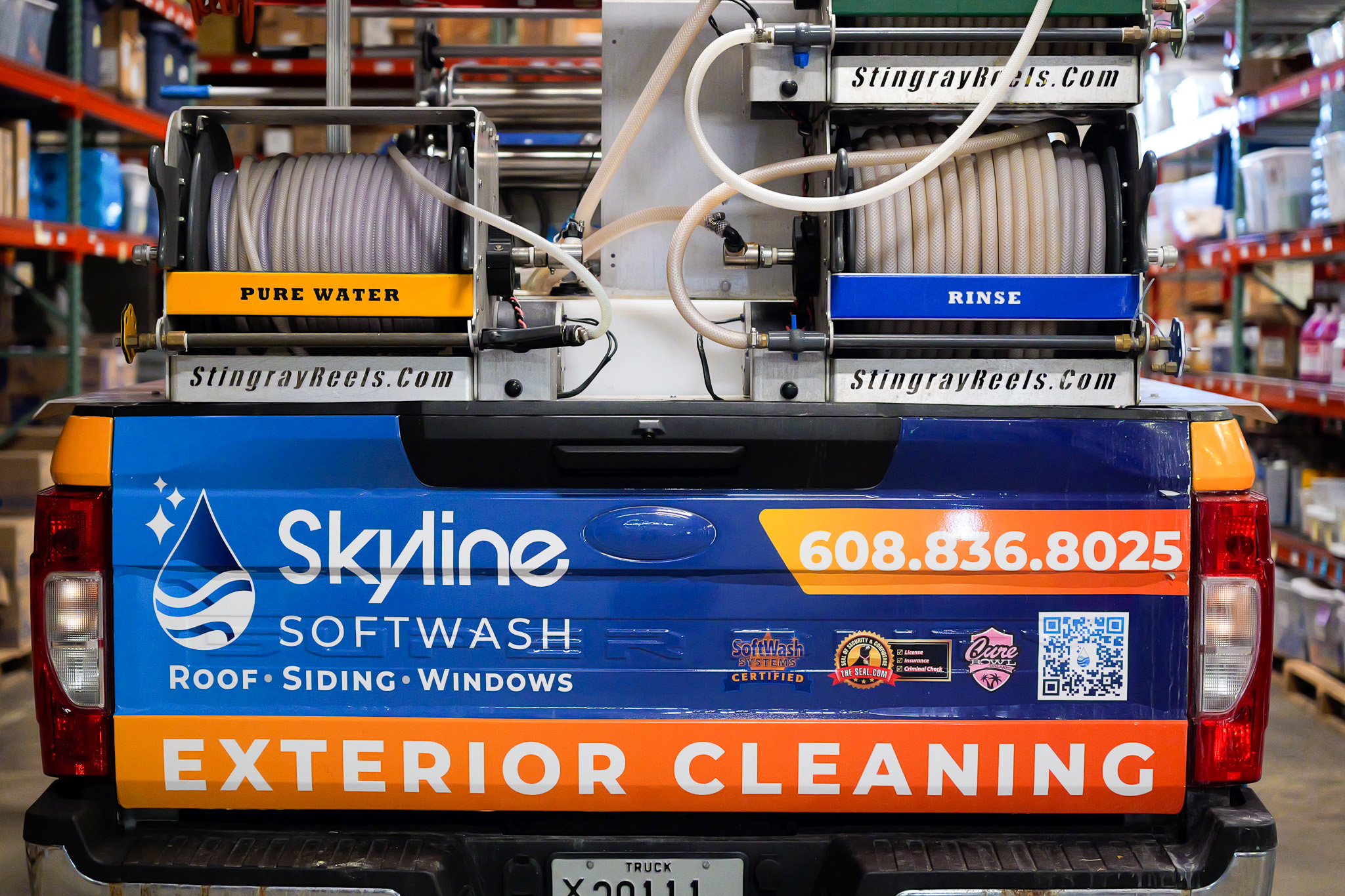
Dialing in the equipment. Our Truck-Mounted system allows Water pressure and brush selection get calibrated to the specific panel manufacturer’s specs — there’s no universal setting that works for every module.
Every step follows OSHA rooftop safety guidelines, and every technician is insured, so there’s no added liability on your end.
3. The Pure Water Process, Step by Step
Here’s the part that surprises most people: There is no soap involved at all.
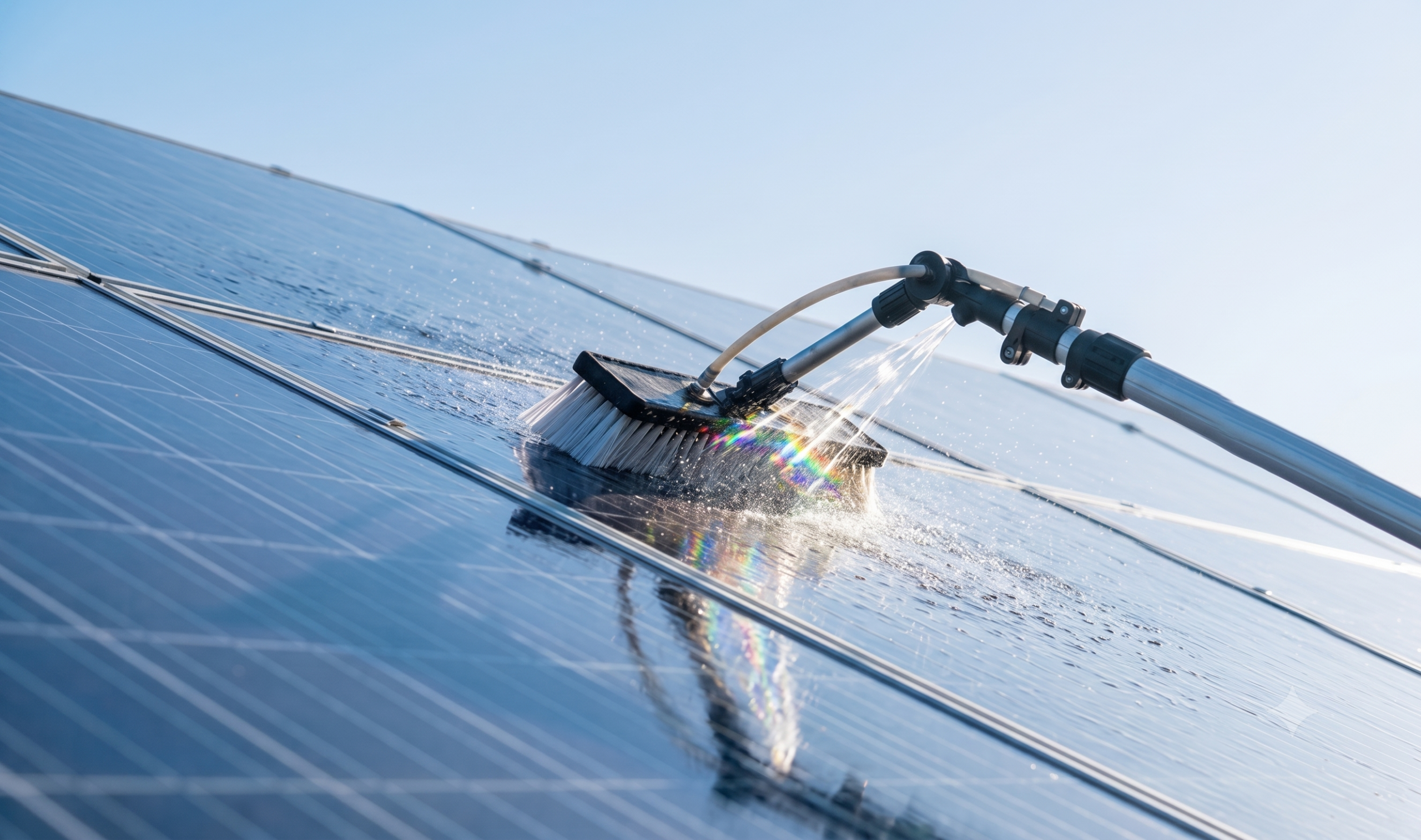
At Skyline we use Reverse Osmosis Deionized water, or RODI systems, which is the gold standard practice in the industry. RODI water has had its minerals stripped out at the source, which means it behaves almost like a magnet for dirt. Sprayed across the panel surface in a controlled pass, it lifts pollen, grime, and dust without any heavy scrubbing that could scratch the anti-reflective coating.
Once applied, the panel air-dries completely spot-free — no mineral streaks, no film, just clear glass ready to absorb sunlight at full capacity.
For tougher buildup like sap or bird droppings, a light solar-safe cleaning solution can be added to the water without resorting to hard scrubbing.
Worth knowing: pure water handles routine dust, pollen, and smog film exceptionally well. If you’re also curious about interior glass care, our Best Homemade Window Cleaner: The Ultimate Streak-Free Guide covers that side of the house.
Who Actually Needs This Service
Rain helps, but rain doesn’t remove what’s stuck on. These are the situations where scheduled cleaning makes the clearest financial and practical sense:
 • Commercial and industrial solar fields. Large arrays with repetitive panel layouts are where professional cleaning pays for itself fastest — even coverage across hundreds of panels with zero downtime for the facility
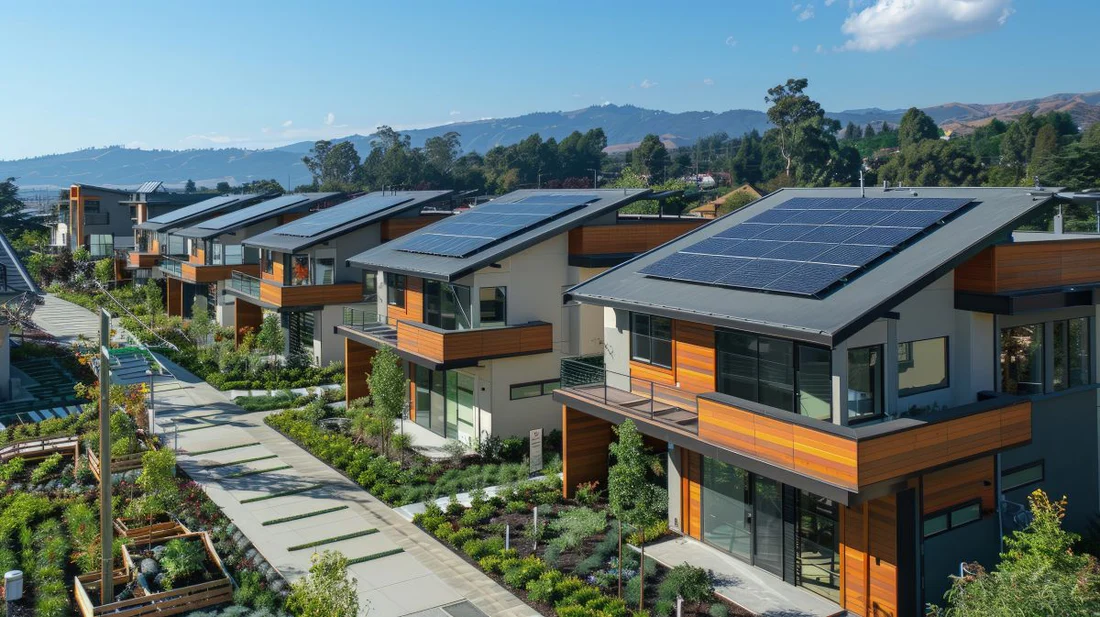 • Rooflines that are hard unsafe. Steep pitches, tall parapets, and unusual architectural layouts often make foot access impractical. High-reach poles and remote systems get to those panels without risk.
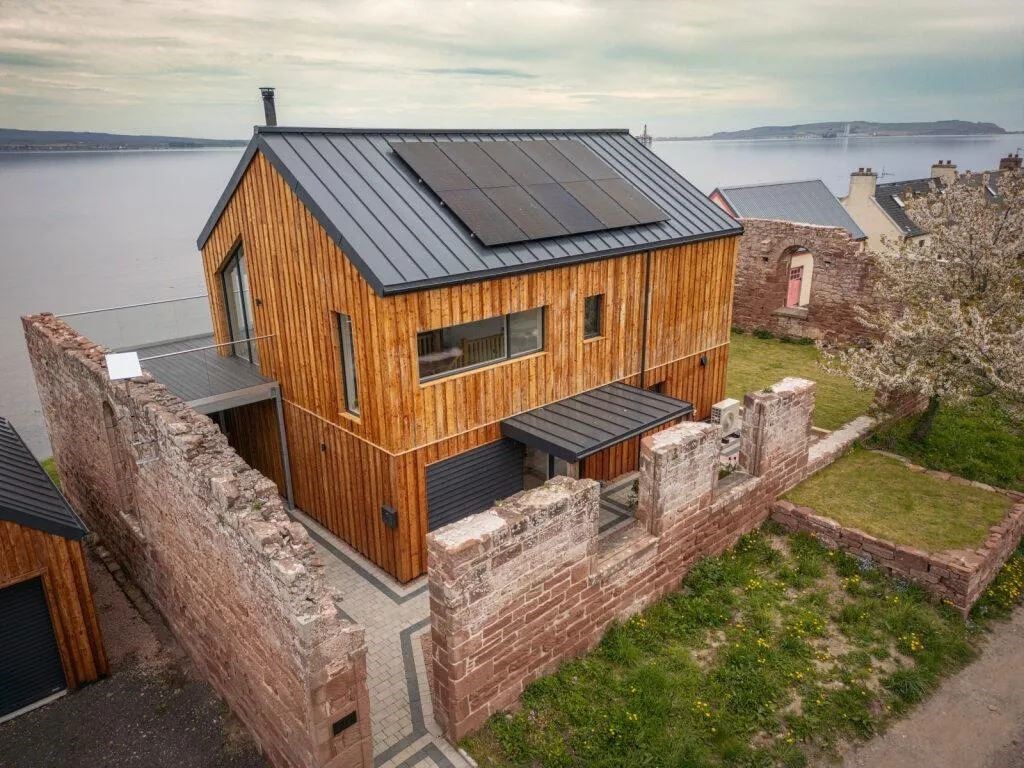
 • Properties prioritizing sustainability. No detergents means no runoff into storm drains — a meaningful detail for LEED-certified buildings or anyone near Madison’s lakes who cares about what ends up downstream.
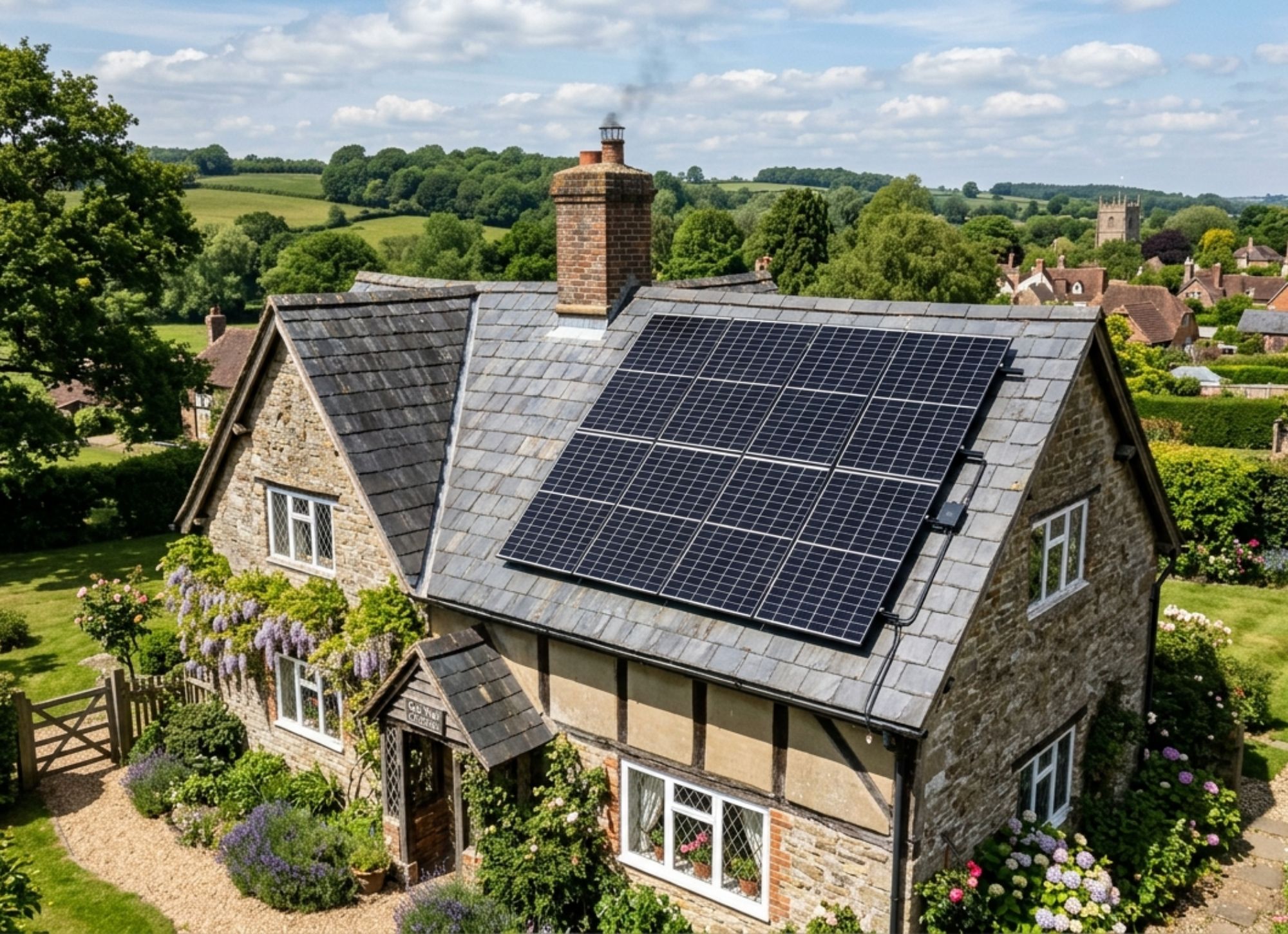
 • Historic homes with modern panels. Slate, clay tile, and older shingles don’t hold up to high-pressure washing. A gentle, low-pressure rinse cleans the glass without putting the surrounding roof at risk.
Putting It All Together
There’s no single right answer for every property — the best plan usually blends approaches based on your roofline, access, and how often the array gets exposed to pollen or debris. What matters is getting a routine in place before output quietly starts slipping.
If your panels haven’t been professionally cleaned recently, it’s worth finding out what you might be leaving on the table. Skyline’s Commercial Window and Solar Panel Cleaning Services cover both, so your entire property gets the same level of care.
Free Estimate: Click Here Contact Us: Click Here By Phone: (608) 836-8025