


The Crucial Link Between Deep Cleaning and Winter Readiness
As the vibrant colours of fall fade and the first hint of frost touches the air, your home transitions from an open-air haven to a sealed, cozy refuge. This seasonal shift marks the single most important time for a deep clean before cold weather. Why? Because every speck of dust, every clogged gutter, and every dirty filter you ignore now will be sealed inside with you for the next five months, potentially costing you comfort, health, and money.
A proper pre-winter cleaning checklist isn’t just about sparkling surfaces; it’s about preventative fall home maintenance that ensures efficiency and safety. By dedicating time to these often-overlooked areas, you are actively preparing your home to manage heating costs, improve air quality, and stay comfortable all season long. Ready to winter-proof your home? Let’s dive into the five crucial areas you must address before the deep freeze sets in.
The Five Focus Areas for Your Pre-Winter Clean
This is a focused list of the five areas that follow. These tasks are critical for energy savings and structural health once windows are closed.
1. The HVAC System and Vents: Breathing Clean Air
When the temperature drops, your furnace or heat pump becomes the heart of your home. If it’s struggling to push warm air through dirty components, you’re wasting energy and risking system failure.
A critical part of your pre-winter cleaning checklist must be addressing the Heating, Ventilation, and Air Conditioning (HVAC) system. Start with the simplest step: changing your air filter. Replace it with a new, high-efficiency filter to ensure maximum airflow and particle capture.
Next, focus on the ducts and vents. Dust accumulates on vent grilles, acting like a blanket that restricts heat flow. Use a vacuum with a brush attachment to meticulously clean every return and supply vent in your home. This simple step can drastically improve the efficiency of your heating and the quality of the air you breathe.
Why Dirty Vents Increase Heating Costs
When vents are obstructed, your HVAC system has to work harder and longer to reach the thermostat’s set temperature. This is known as “heating system strain.” A clean system runs efficiently, meaning it uses less energy, directly translating to lower utility bills throughout the winter. Think of it as a small investment in cleaning that yields significant returns in savings.
2. Window Sills and Tracks: Sealing Out the Cold
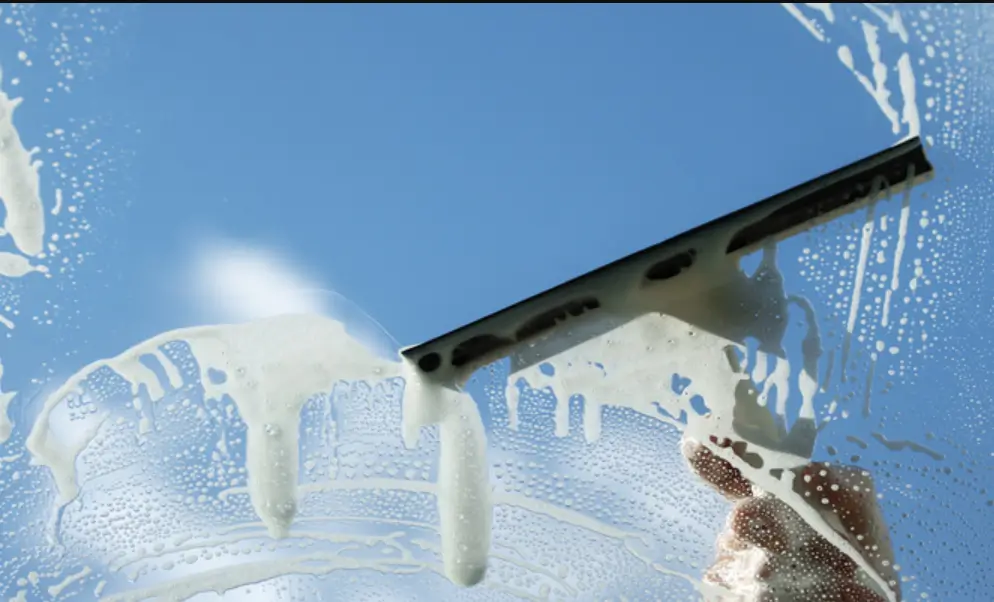
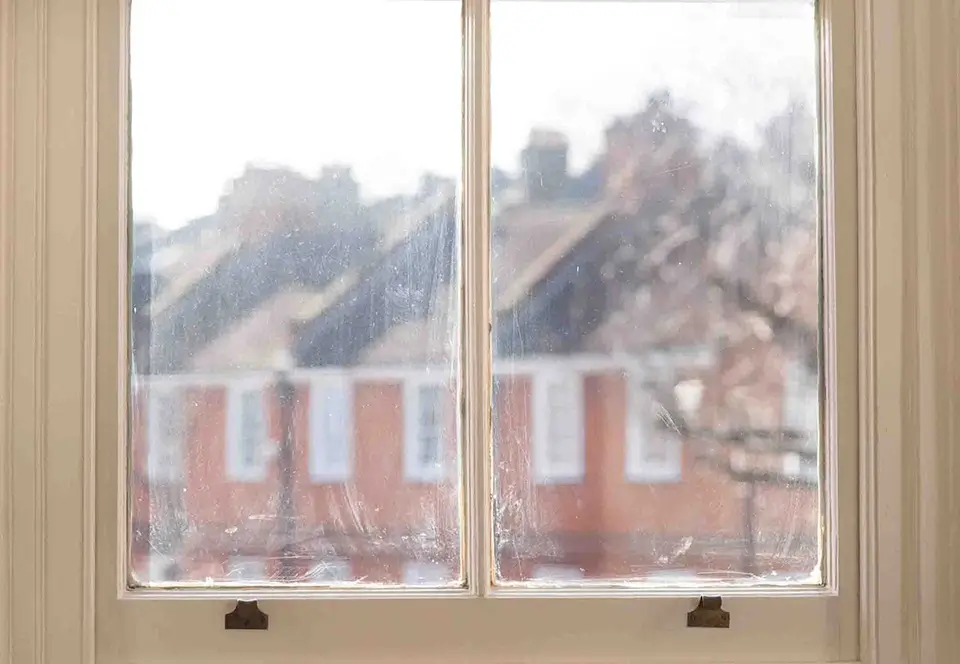
Windows are notorious culprits for drafts, but often the draft is exacerbated by built-up grime and debris in the tracks. Over the summer, dirt, pollen, dead insects, and moisture can pack tightly into the channels of your window frames. If this is left uncleaned, it prevents windows from sealing properly when closed, creating gaps that allow cold air to sneak in.
Use a small brush or an old toothbrush with a solution of white vinegar and water to scrub the sill and tracks thoroughly. Pay special attention to the corners. Once clean, let them dry, and check the caulking or weather stripping around the frames. If you spot any cracks or deterioration, now is the time to apply a fresh layer of sealant. This simple task is a powerful step in fall home maintenance.
The Mold Prevention Strategy for Window Frames
Window tracks often trap condensation, especially in humid climates. When dirt and organic matter are present, this trapped moisture creates an ideal breeding ground for mildew and mold. By performing this deep clean before cold weather, you remove the organic food source for the mold, preventing its growth in the months when your home is sealed tight.
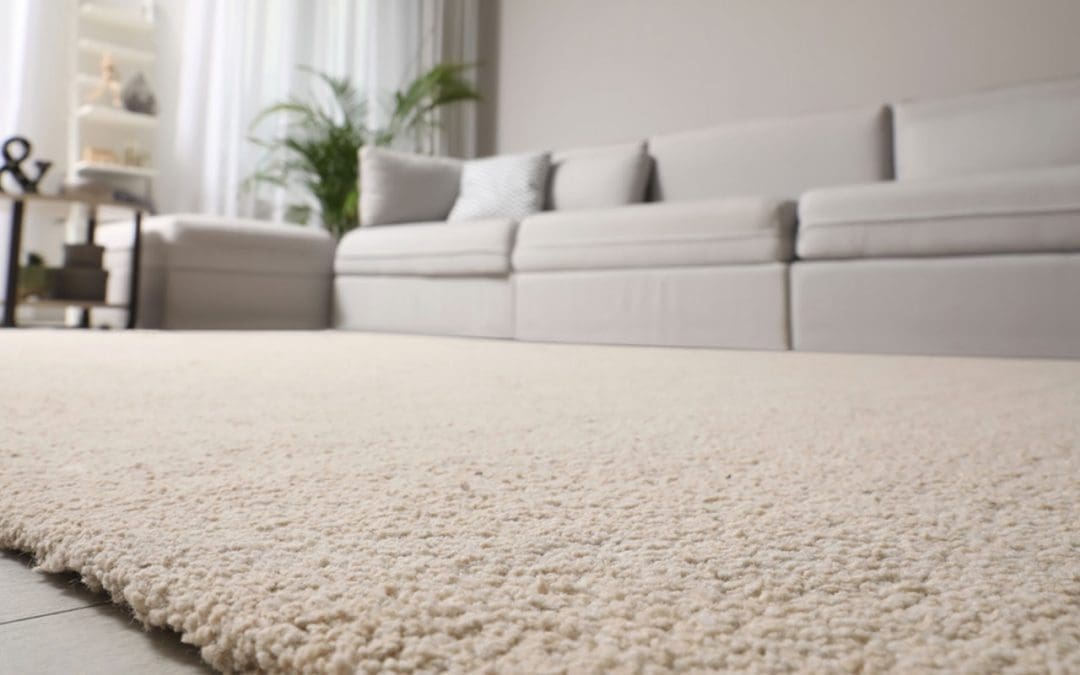
3. Carpets and Upholstery: Eliminating Built-Up Grime
During spring and summer, outdoor contaminants—pollen, soil, dust—are constantly tracked into your home. When you close your home for the winter, all that grime gets trapped. Dirty carpets, in particular, hold onto dust and allergens that are constantly re-circulated by your forced-air heating system.
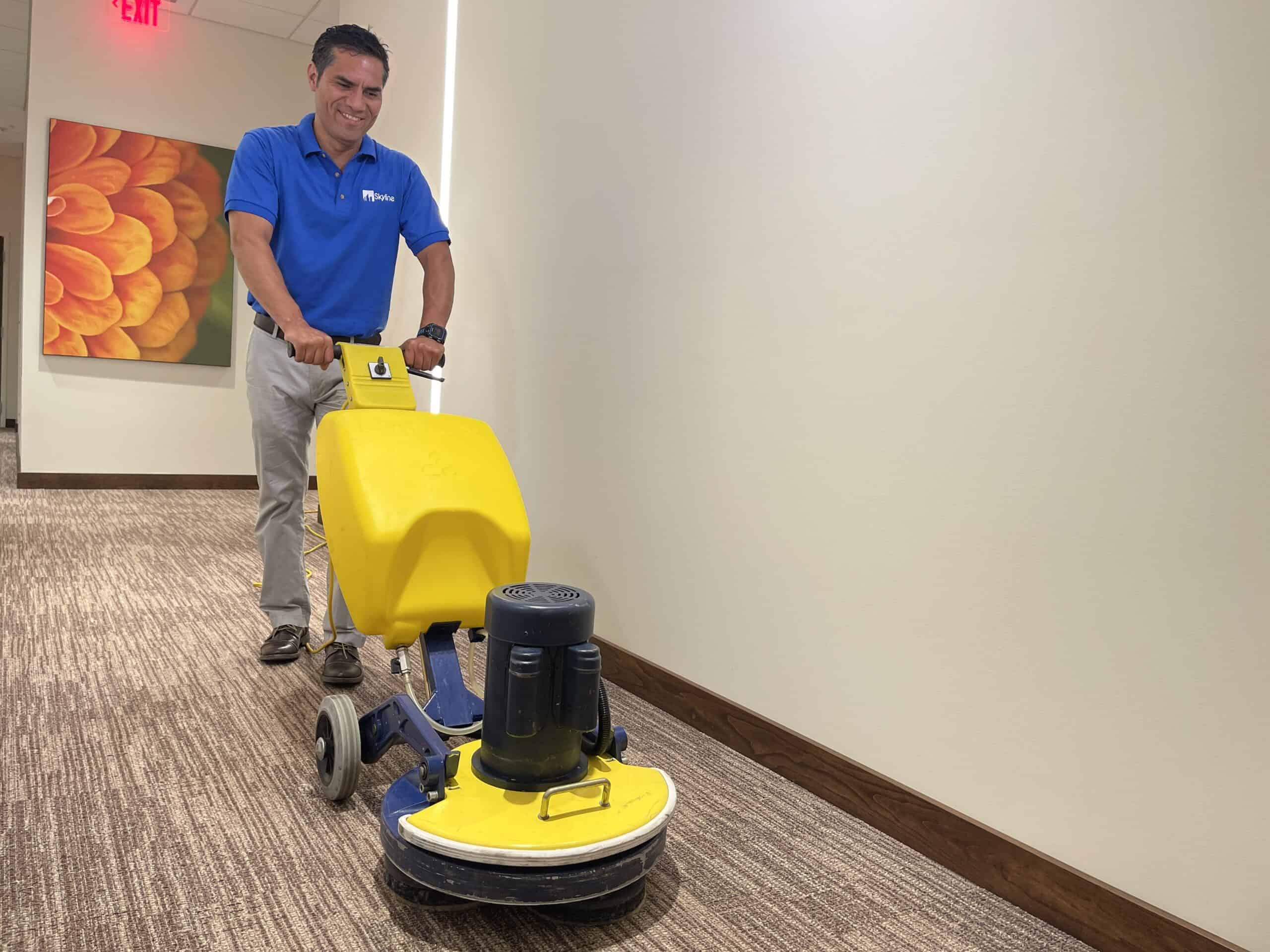
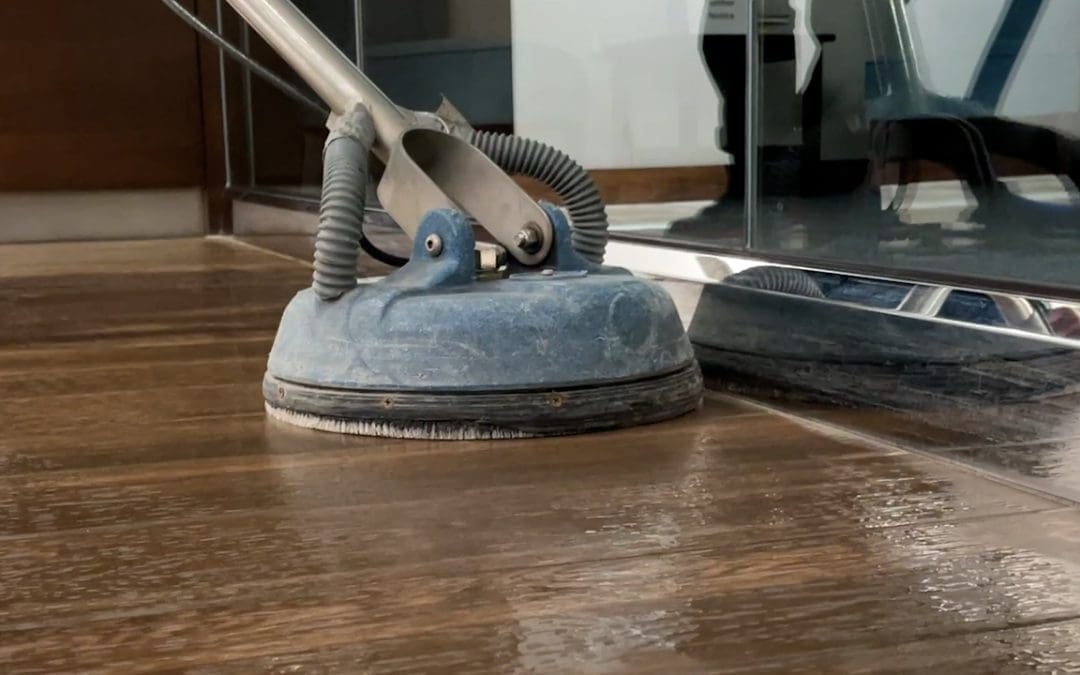
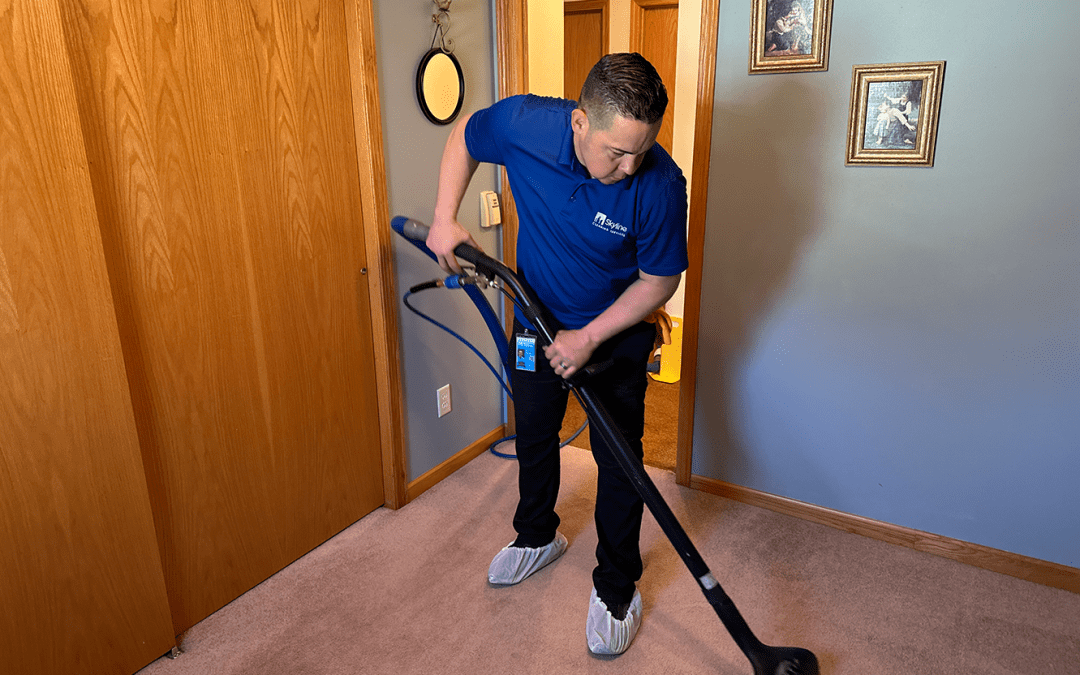
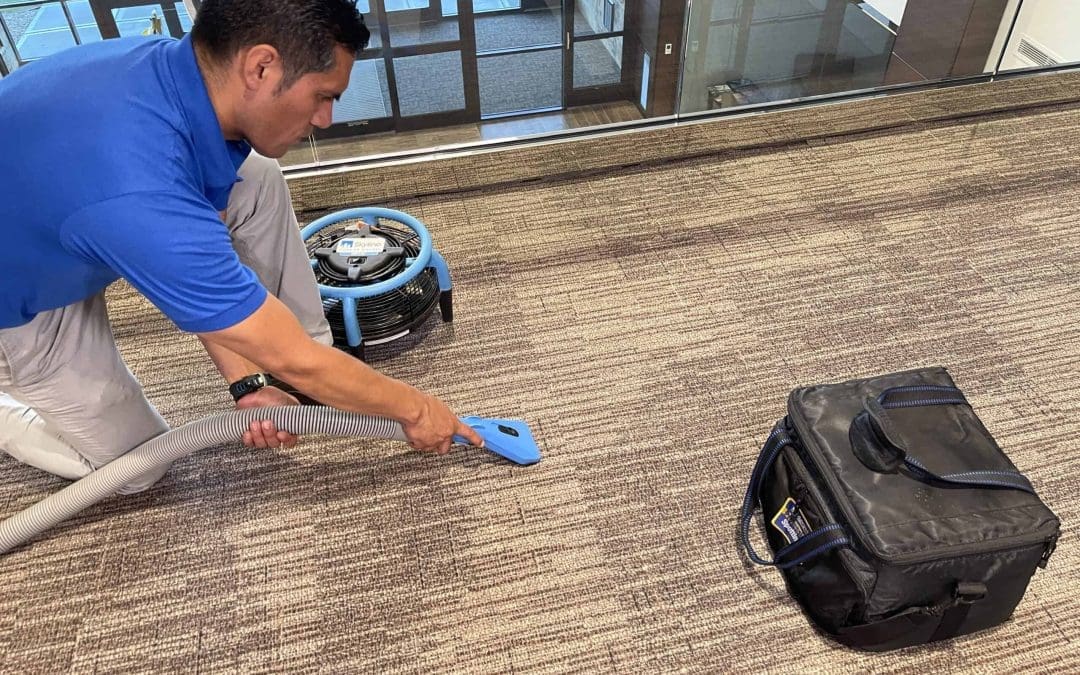
A professional-grade deep carpet cleaning before winter is one of the best investments you can make in your air quality. If professional service isn’t an option, rent a steam cleaner or use a high-powered vacuum with a beater bar and make multiple slow passes over high-traffic areas. Remember to treat your upholstery too—sofas, chairs, and curtains hold dust just as much as your floors do.
Carpet Cleaning Methods for Heavy Traffic Areas
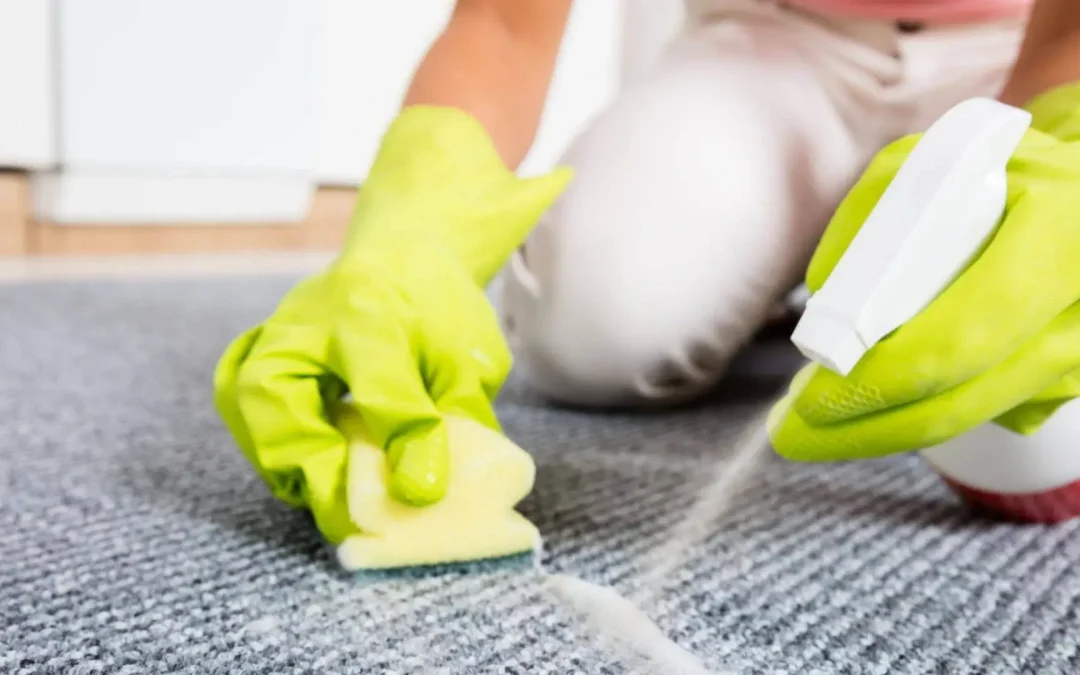
For areas like entryways and hallways, focus on a pre-treatment solution. Apply a stain remover or a mixture of detergent and water to the heavily soiled areas about 15 minutes before you begin the deep clean. Use a stiff brush to gently agitate the solution into the fibres, ensuring you lift the deep-seated dirt before the main cleaning process.
4. Gutters and Downspouts: The Forgotten Home Protectors
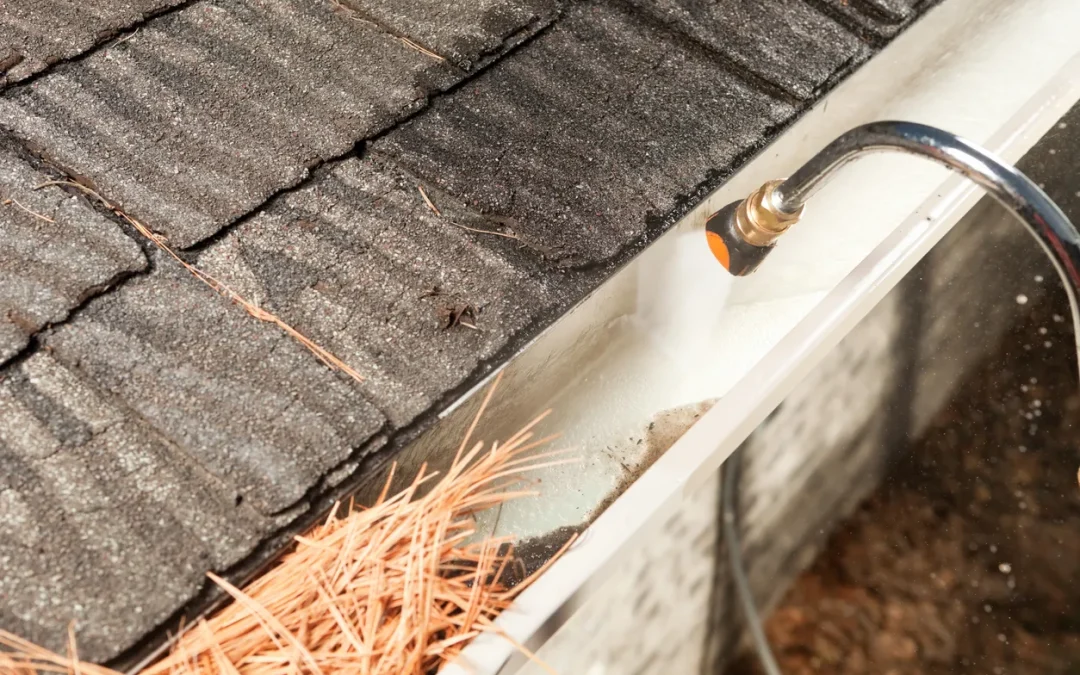
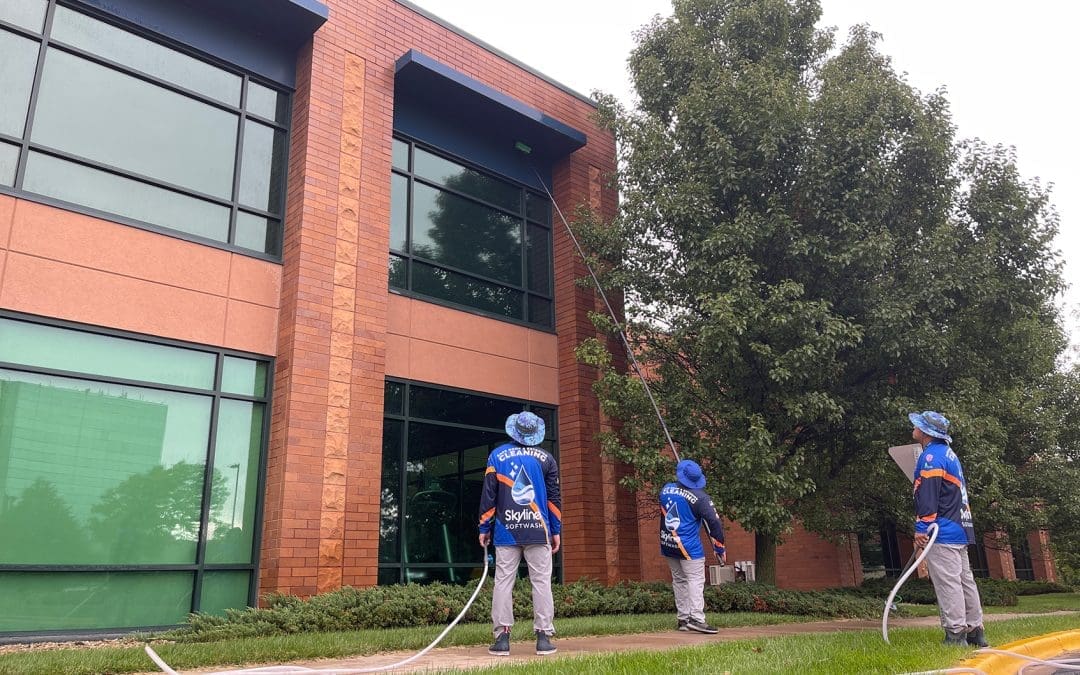
While this area might not be inside the house, cleaning your gutters is a non-negotiable item on any structural pre-winter cleaning checklist. During fall, gutters quickly fill up with leaves, pine needles, and other debris. When the first hard freeze hits, these clogged channels prevent melting snow and ice from draining properly.
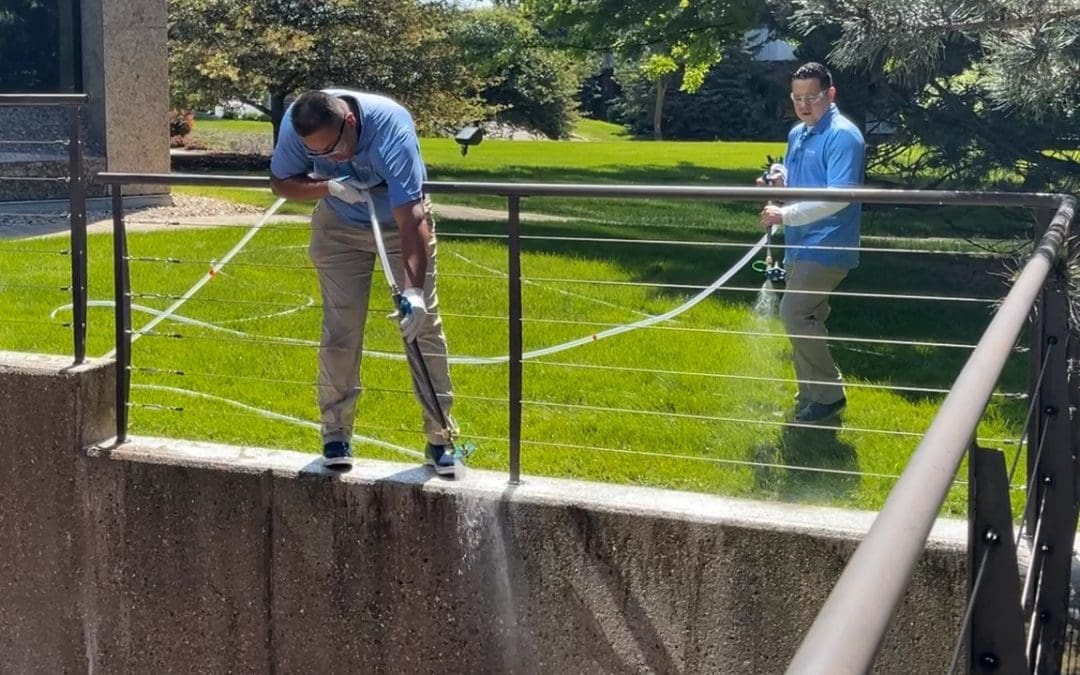
The resulting water backup can lead to ice dams forming along the roofline. Ice dams can force water under your shingles, causing catastrophic damage to your roof, siding, and interior walls. Use gloves, a small trowel, and a hose to clear and flush every inch of your gutters and downspouts. Ensure the downspouts are clear and guiding water at least three feet away from your foundation.
What Happens When Ice Dams Form in Your Gutters
Ice dams are wedges of solid ice that form near the edge of the roof, above the gutter. They occur when warm air from the attic melts snow on the upper roof, and that water re-freezes when it hits the colder edge. This is a common and costly issue related to improper fall home maintenance and blocked drainage.
5. The Kitchen Appliance Deep Dive: Fridge Coils and Oven
The final crucial area involves your kitchen, specifically where heat and energy efficiency are involved.
- Refrigerator Coils: Unplug your fridge and use a coil brush and vacuum to clean the dust, hair, and pet dander from the condenser coils, usually located underneath or behind the unit. Dirty coils force the fridge to run longer and hotter, wasting electricity.
- The Oven: If you plan on doing a lot of holiday baking and cooking (which most people do!), clean the oven now. Burnt-on grease and food particles can cause smoke and emit unpleasant odours when heated, especially important if you’ll have guests. Use the self-cleaning function or a heavy-duty oven cleaner for a fresh start.
Maximizing Your Winter Comfort: Beyond the Clean
With the five major cleaning areas complete, you’re ahead of the curve! But a few minor winter readiness tips can complete your preparation:
- Check Smoke and CO Detectors: Replace all batteries. This is non-negotiable for winter safety.
- Reverse Ceiling Fans: Set your ceiling fans to spin clockwise at a low speed. This subtle change pushes warm air down from the ceiling, helping to regulate room temperature without cranking the thermostat.
- Inspect Weather Stripping: Quickly check the seals around your main doors. If you can see light coming in, replace the weather stripping to prevent major drafts.
The transition into colder weather doesn’t have to be a race against time. By following this comprehensive pre-winter cleaning checklist, you’ve tackled the most critical areas that affect your home’s energy performance, health, and structural integrity. You have effectively performed the necessary deep clean before cold weather sets in.
Don’t let a clogged gutter or a dirty filter ruin your winter comfort. Take action today!
Ready to Hand Off the Hard Work? Contact Skyline!
While this checklist is essential, many of these tasks—like deep carpet cleaning or gutter maintenance—are time-consuming and labor-intensive. Why spend your precious fall weekends on strenuous work?
Let Skyline handle your complete Pre-Winter Deep Clean. Our professional team is equipped to manage the deep carpet extraction, and tough gutter clearing, ensuring your home is perfectly sealed, safe, and efficient for the cold months ahead.